Contact Houston Dental Implants & Prosthodontics | Memorial City
- 713-464-6335
-
Memorial Hermann Memorial City
Medical Plaza 3
915 Gessner Road, STE. 515
Houston, Texas 77024 - markstankewitz515@gmail.com
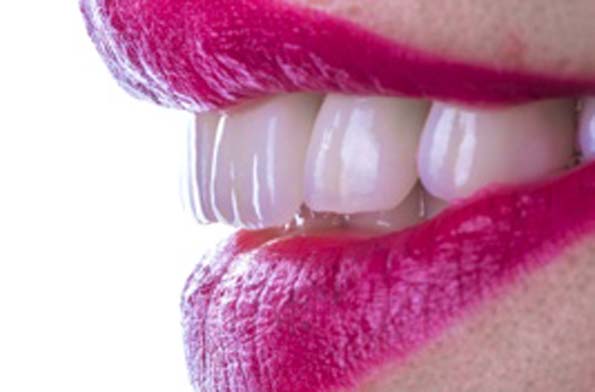
A smile makeover may involve much more than changing the color or shape of individual teeth. The most natural and predictable results come from evaluating how the teeth, gums, bite, lips, and facial features work together.
At Houston Dental Implants & Prosthodontics, Dr. Mark Stankewitz plans smile makeover treatment around each patient’s existing teeth, facial proportions, bite, restorative needs, and esthetic goals. As a board-certified prosthodontist with decades of experience in restorative dentistry and dental ceramics, he can combine cosmetic and restorative treatment when necessary to create a smile that looks natural and functions appropriately.
A smile makeover may involve porcelain veneers, crowns, dental implants, bonding, whitening, or other treatment depending on the condition of the teeth and the changes the patient would like to make.
A smile makeover is an individualized treatment plan designed to improve the appearance of the smile while also considering the health, structure, and function of the teeth. Depending on the patient’s needs, treatment may involve a single procedure or a combination of cosmetic and restorative treatments.
The planning process considers more than the appearance of individual teeth. Tooth proportions, gum contours, tooth position, existing restorations, missing or worn teeth, and the way the upper and lower teeth come together can all influence the final result.
For patients with more complex dental needs, a prosthodontic approach is particularly valuable because esthetic changes can be planned together with any necessary restorative treatment. The objective is not simply to create whiter or more uniform teeth, but to develop a natural-looking smile that is appropriate for the individual patient and designed for long-term function.
A smile makeover can address a variety of esthetic and restorative concerns. The appropriate treatment depends on the condition of the teeth, the patient’s bite, and the extent of the desired changes.
Because these concerns often occur together, smile makeover treatment should be planned as a whole rather than addressing each tooth independently. This allows esthetic improvements to be coordinated with the patient’s existing teeth, restorations, bite, and overall treatment needs.
No two smile makeovers require the same combination of treatment. After evaluating the teeth, gums, bite, existing restorations, and esthetic goals, Dr. Stankewitz can determine which procedures are appropriate and how they should be sequenced.
Porcelain veneers can improve the shape, proportion, color, and appearance of selected teeth while creating a natural-looking result. They may be appropriate when teeth are discolored, chipped, uneven, mildly misaligned, or disproportionate to the surrounding smile.
Crowns may be more appropriate than veneers when teeth have significant structural damage, large existing restorations, fractures, or extensive wear. They can restore both the appearance and function of compromised teeth.
Missing teeth can affect both the appearance of the smile and the way the remaining teeth function. Dental implants or fixed bridges may be incorporated into a smile makeover to replace missing teeth and restore continuity to the smile and bite.
For more limited esthetic changes, composite bonding may be used to improve small chips, spaces, or contour irregularities. Teeth whitening may be appropriate when improving tooth color is the primary concern or may be completed before restorative treatment so that new restorations can be coordinated with the desired tooth shade.
When tooth position or spacing is a significant part of the problem, orthodontic treatment may be recommended before restorative treatment. Moving the teeth into a more favorable position can sometimes reduce the amount of restorative treatment required and improve the final result.
Dr. Mark Stankewitz is a board-certified prosthodontist with decades of experience in restorative and esthetic dentistry. His training focuses on the diagnosis, planning, and restoration of complex dental conditions involving both appearance and function.
Rather than evaluating each tooth independently, treatment is planned in relation to the surrounding teeth, gums, lips, facial proportions, and bite. This helps create a result that is balanced with the patient’s overall appearance rather than simply making individual teeth look different.
Some smile makeovers involve healthy teeth requiring relatively minor changes. Others involve worn teeth, missing teeth, failing restorations, or previous dental work that needs to be incorporated into a larger treatment plan. Prosthodontic training is particularly valuable when multiple restorative needs must be coordinated.
The appearance of the teeth is only one part of treatment planning. Tooth position, bite relationships, available tooth structure, restorative materials, and long-term maintenance are also considered when determining the most appropriate treatment.
Not every smile makeover requires extensive treatment. For some patients, improving tooth color, repairing a small chip, closing a limited space, or modifying the shape of one or two teeth may provide the desired improvement.
When multiple visible teeth differ in color, shape, proportion, position, or existing dental work, treatment may involve several teeth. Porcelain veneers, bonding, whitening, crowns, or orthodontic treatment may be used individually or in combination depending on the condition of the teeth.
Some patients seeking esthetic improvement also have worn, damaged, heavily restored, or missing teeth. In these situations, the smile makeover may need to incorporate crowns, dental implants, or other restorative treatment so that appearance and function are addressed together.
When significant tooth wear, bite problems, multiple missing teeth, or extensive failing dental work are present, treatment may extend beyond a conventional smile makeover. A more comprehensive restorative approach may be necessary to address the entire dentition and bite.
The number of teeth treated should be determined by the patient’s existing dental condition and treatment goals—not by a predetermined number of veneers, crowns, or other restorations. Dr. Stankewitz develops each treatment plan according to what is appropriate for the individual patient.
Dr. Stankewitz begins by evaluating the teeth, gums, existing restorations, bite, and overall smile. The consultation also provides an opportunity to discuss what the patient would like to change and which aspects of the smile are most important to them.
The findings from the examination are combined with the patient’s esthetic goals to develop an individualized treatment plan. Tooth proportions, position, color, existing dental work, available tooth structure, bite relationships, and any missing or damaged teeth are considered when determining which procedures may be appropriate.
When more than one procedure is needed, the order of treatment is carefully planned. Whitening or orthodontic treatment, for example, may be completed before veneers, crowns, or other restorations so that the final restorative treatment can be coordinated with the desired tooth position and color.
For cases involving veneers, crowns, or more extensive restorative treatment, provisional restorations may be used during treatment. These allow important aspects of tooth shape, proportions, appearance, and function to be evaluated before the final restorations are completed.
Final restorations are evaluated in relation to the surrounding teeth, smile, and bite. Dr. Stankewitz assesses details such as tooth contours, contacts, appearance, and occlusion and makes adjustments when necessary before treatment is completed.
After treatment, appropriate home care and regular dental evaluation help protect the teeth and restorations. Maintenance recommendations depend on the type and extent of treatment performed and the patient’s individual restorative needs.
A smile makeover is individualized to the patient and may involve one procedure or a combination of treatments. Depending on the condition of the teeth and the patient’s goals, treatment may include porcelain veneers, crowns, bonding, teeth whitening, orthodontic treatment, dental implants, or other restorative procedures.
There is no predetermined number of teeth that must be treated. Some patients may benefit from changes to only one or two teeth, while others may require treatment involving several visible teeth. The appropriate number depends on the patient’s existing teeth, smile, bite, and treatment goals.
Treatment time varies considerably depending on the procedures involved. A relatively limited esthetic change may require only a few appointments, while treatment involving orthodontics, dental implants, multiple restorations, or more complex restorative needs can require a longer treatment sequence.
Yes, depending on the cause and extent of the damage. Worn, fractured, or heavily restored teeth may require crowns, veneers, bonding, or other restorative treatment. Significant wear may also require evaluation of the patient’s bite before the final restorations are planned.
No. Porcelain veneers are only one possible treatment. Some patients may benefit from whitening, bonding, orthodontic treatment, crowns, or other procedures instead. Treatment should be based on the condition of the teeth and the changes the patient would like to achieve.
Yes. When missing teeth affect the smile, dental implants, fixed bridges, or other appropriate restorative treatment may be incorporated into the overall treatment plan.
Prosthodontists receive advanced specialty training in restoring and replacing teeth. This can be particularly valuable when esthetic treatment must be coordinated with crowns, veneers, dental implants, worn teeth, existing restorations, missing teeth, or complex bite relationships.
A smile makeover should be planned around more than the appearance of individual teeth. Dr. Mark Stankewitz evaluates your existing teeth, restorations, bite, facial proportions, and esthetic goals to determine which treatment—or combination of treatments—is appropriate for you.
At Houston Dental Implants & Prosthodontics, smile makeover treatment is individually planned by a board-certified prosthodontist with attention to natural esthetics, appropriate function, and long-term restorative needs.
Call 713-464-6335 to schedule a personalized consultation.